Line Ladybugs Art Lesson for 2nd Grade | Artastic Collective Art Curriculum
Aug 07, 2026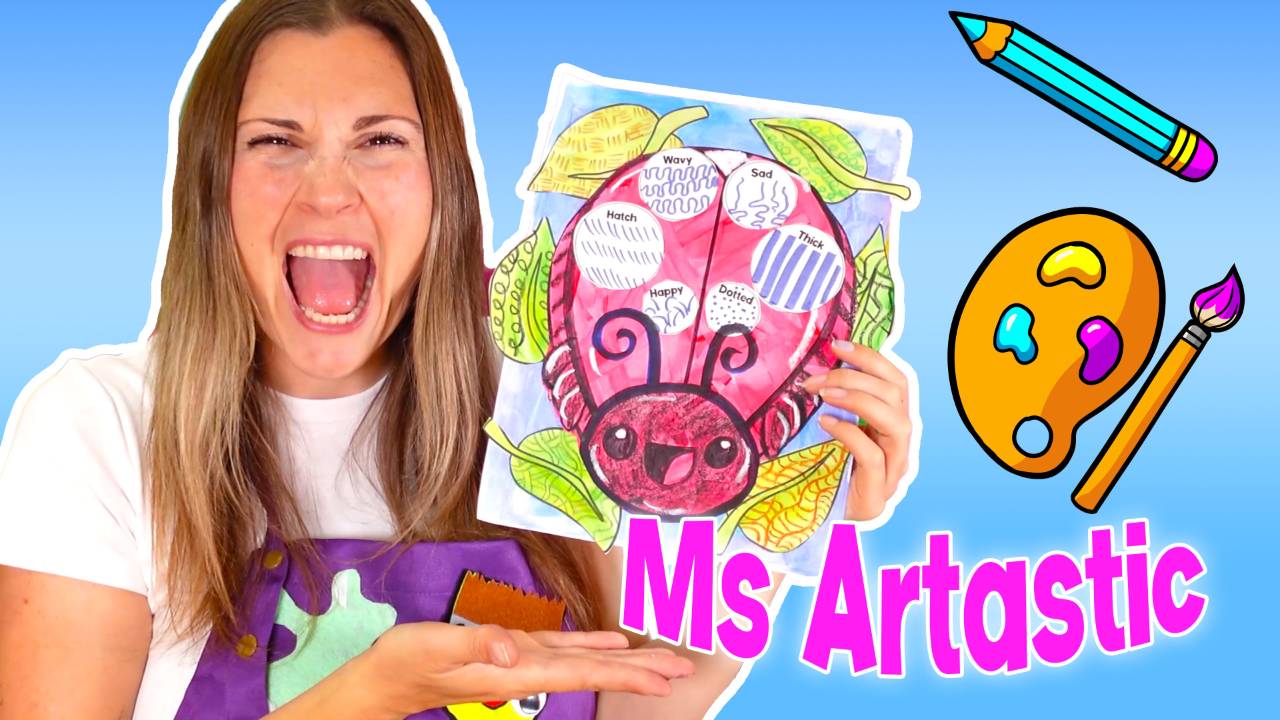
Teach 2nd grade students about types of lines with this cheerful Line Ladybugs Art Lesson included in the Artastic Collective Art Curriculum. Students explore line, pattern, texture, movement, and creative choice through a meaningful ladybug art project.
Line Ladybugs Art Lesson for 2nd Grade: Teaching Types of Lines Through a Cheerful Art Project
Teaching line in 2nd grade is such a beautiful way to help young artists begin seeing their marks as creative choices. At this age, students are becoming more confident with drawing, painting, cutting, gluing, and designing, and they are ready to understand that lines can do much more than outline a picture. Lines can create pattern. Lines can show texture. Lines can suggest movement. Lines can make artwork feel calm, busy, playful, bold, gentle, or full of energy.
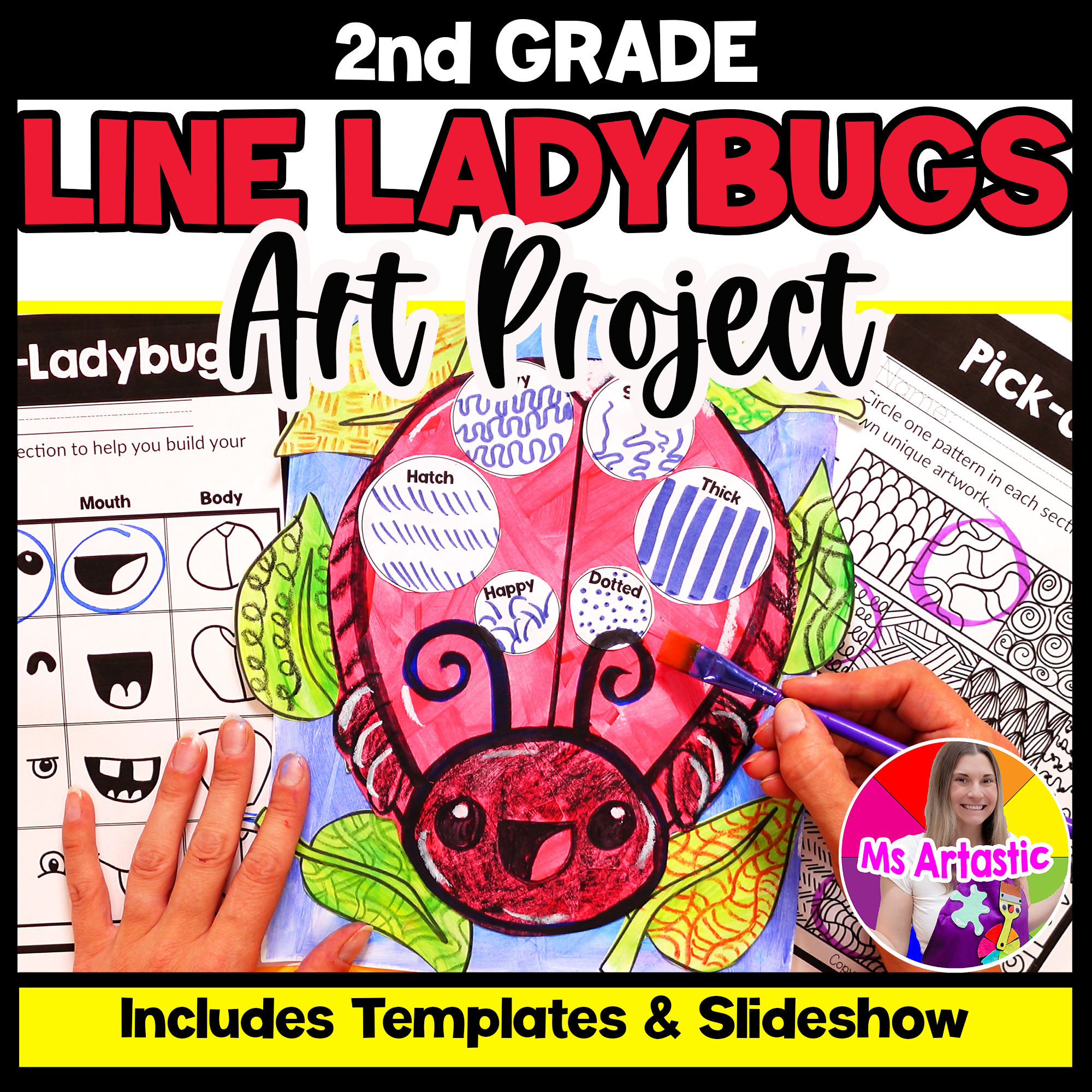
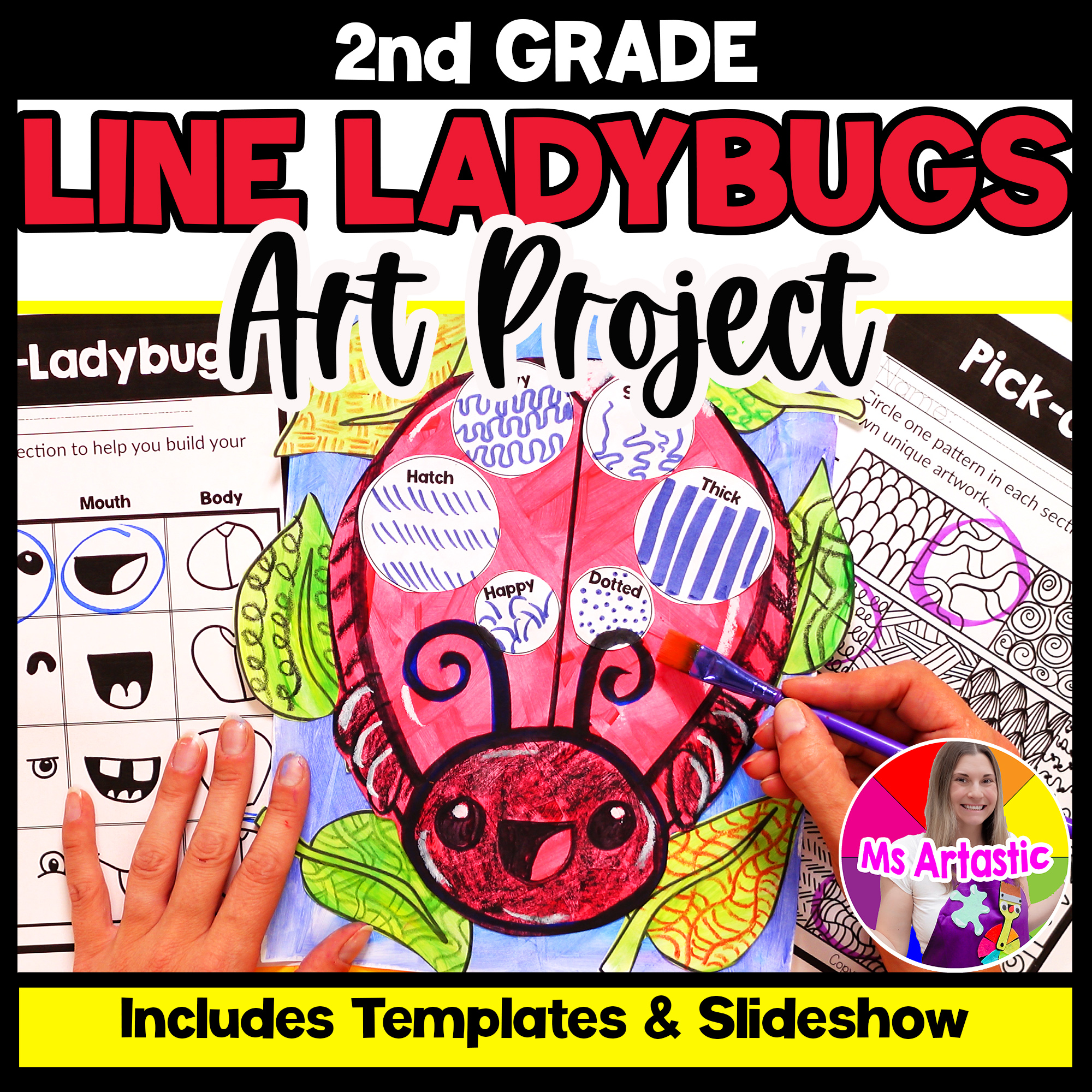
This Line Ladybugs Art Lesson for 2nd Grade is a joyful way to teach the element of art: line while giving students a finished artwork that feels bright, layered, and full of personality. Students explore different types of lines, use line patterns on leaves and ladybug spots, create a painted background, build a ladybug, and reflect on how artists use lines in their artwork.
I love this lesson because it takes something simple, a line, and helps students see how powerful it can be. A line can wiggle across a leaf. A line can become a pattern inside a ladybug spot. A line can create movement in the background. A line can make a detail stand out. A line can turn a cheerful ladybug artwork into a real exploration of pattern, texture, movement, and artistic decision-making.
And if you are already a member of the Artastic Collective Art Curriculum, this lesson is included for you inside your membership.
Why Line Belongs in a 2nd Grade Art Curriculum
Line is one of the basic elements of art, and it is one of the most important concepts students can revisit again and again. A line is a mark that moves from one place to another, but artists use lines in many different ways. They use lines to draw pictures, make shapes, build patterns, add texture, show movement, guide the viewer’s eye, and share ideas.
For 2nd grade students, line is especially powerful because they are ready to move beyond simply naming line types. They can begin thinking about how different lines make an artwork look or feel. A wavy line might feel soft, calm, or flowing. A zigzag line might feel energetic or exciting. A thick line might make something stand out. A thin line might add tiny details. A dashed line might feel playful or broken. A looped line might feel lively and fun.
When students begin noticing these differences, they start thinking like artists. They begin to understand that the lines they choose can change the feeling of their artwork.
That is such an important step in art learning. It helps students move from “I drew this” to “I chose this because…”
A Ladybug Project That Makes Line Feel Meaningful
Ladybugs are a wonderful subject for a line lesson because they naturally invite shape, pattern, symmetry, spots, and playful design. In this lesson, students create a large ladybug as the focal point of the artwork, then use different types of lines to decorate the leaves, spots, and background.
The project gives students structure, but it also gives them space to make creative choices. Students can use the ladybug template or the Build-a-Ladybug page to choose their own head, eyes, mouth, and body style. This gives them support without making every artwork look exactly the same.
The Pick-a-Pattern page helps students choose line designs for their artwork, which is especially helpful for young artists who may need visual inspiration before they begin. Instead of saying, “Add patterns,” and watching half the class stare into space like the marker lids have personally betrayed them, students have concrete examples they can use, adapt, and make their own.
That kind of support matters. It helps students feel confident enough to begin while still giving them ownership over the final artwork.
Materials for the Line Ladybugs Art Lesson
For this lesson, students use materials such as oil pastels or wax crayons, felt markers, cardstock or thicker paper, templates if desired, tempera paint, paintbrushes, water, scissors, and glue.
The materials are flexible, which makes the lesson easier to use in different classrooms, art rooms, and homeschool settings. Wax crayons or oil pastels work beautifully for bold line patterns and wax-resist details. Paint gives students a chance to explore colour, texture, and brush direction. Cutting, gluing, and layering help students build fine motor skills while creating a finished composition that feels complete and display-worthy.
This combination of materials keeps the lesson engaging while still staying focused on the main art concept: line.
A Condensed Look at the Line Ladybugs Art Process
Students begin by painting a background with blue, purple, and white paint. They move their brushes in different directions to create texture and movement, which helps them understand that backgrounds are not just empty spaces. A background can support the whole artwork and make the final composition feel more interesting.
Next, students paint their ladybug paper or template with red paint, again using brushstrokes in different directions to create texture. While the painted pieces dry, students work on leaves and spots. The leaves become a place to practice line patterns with wax crayon or oil pastel before painting over them with green. The spots become small spaces for exploring different line types, such as wavy, zigzag, dashed, dotted, hatched, cross-hatched, thick, and expressive lines.
Once the painted papers are dry, students build their ladybug using the template or their own choices from the Build-a-Ladybug page. They add the head, eyes, mouth, body style, legs, belly line, highlights, and details. This part of the lesson helps students practice drawing and design choices while still connecting back to line, shape, and pattern.
To finish, students cut out their leaves and line-patterned spots, arrange everything on the painted background, and glue the composition together. The finished artwork is a cheerful ladybug piece full of line, pattern, texture, movement, and creative decision-making.
What Students Learn Through This Lesson
This lesson helps 2nd grade students understand that line can be used in many different ways. Students learn that lines can be straight, curved, wavy, zigzag, dashed, thick, thin, long, short, hatched, cross-hatched, looped, and expressive. They also learn that artists use different lines to create patterns, add texture, show movement, and make artwork more interesting.
Students are not just practicing line vocabulary in isolation. They are applying it directly in their artwork. They use line to decorate leaves, design spots, add details, build visual interest, and make creative choices.
They also practice important art-making skills such as painting, drawing, cutting, gluing, arranging, layering, and reflecting. These skills are so important in 2nd grade because students are growing in confidence, independence, and fine motor control.
This lesson also supports art discussion. Students can look at their finished artwork and talk about which lines they used, where they used them, and how those lines changed the feeling of the piece. That reflection helps students understand that artists make choices for a reason.
Literacy and Reflection Connections
Inside the full lesson, students also connect art with reading, writing, vocabulary, and reflection. Students can read about line in art and respond to questions about what a line is, what types of lines they know, how artists use lines, why artists might use thick lines, and what kind of line could show excitement or energy.
The lesson also includes vocabulary supports, a word bank, sight word tracking, spelling activities, writing prompts, reflection pages, artist statement supports, and creative extension pages. Students can write about how artists use line, create a story about ladybugs drawing lines all over flower petals, reflect on what they learned, and think about what goals they might have for their next art project.
These supports help the lesson become more than a finished product. Students are not only making art. They are thinking about art, talking about art, writing about art, and beginning to explain their choices as artists.
That is exactly the kind of deeper art learning that helps students grow.
Included in the Artastic Collective Art Curriculum
If you are already a member of the Artastic Collective Art Curriculum, this Line Ladybugs Art Lesson for 2nd Grade is included for you inside your membership.
You can log in, access the full lesson, and use it as part of your 2nd grade art curriculum planning. Inside the membership, you will find the full lesson support, PDF lesson plan, student materials, visual steps, templates, line teaching supports, literacy connections, reflection activities, and classroom-ready resources.
The Artastic Collective is designed to help teachers and homeschool families feel more organized, supported, and confident when teaching art. Instead of trying to piece together random art activities from all over the internet, you can access grade-specific lessons that are built around meaningful art concepts, developmental stages, creative skill-building, and real classroom use.
CLICK HERE TO JOIN THE ARTASTIC COLLECTIVE
Because teaching art should feel inspiring and doable, not like you are building a full curriculum from scratch while trying to figure out why every glue stick in the room has vanished except the one that is completely dried shut.
Want Just This Lesson?
If you are not looking for the full Artastic Collective membership right now and would rather grab this individual lesson, you can get the Line Ladybugs Art Lesson in the Ms Artastic Store.
CLICK HERE TO GRAB THE LINE LADYBUG ART LESSON IN THE MS ARTASTIC STORE
This is a great option if you only need this one lesson for a line unit, insect-themed art project, spring art activity, back-to-school art lesson, homeschool art block, or early elementary art plan.
Why This Lesson Supports a Strong Art Curriculum
A strong art curriculum gives students repeated opportunities to revisit important concepts in different ways. Line is not something students learn once and never use again. They use line in drawing, painting, design, pattern-making, texture, movement, observation, and composition.
This lesson helps students revisit line in a way that feels age-appropriate for 2nd grade. They are not simply tracing lines or copying patterns. They are using line as part of a finished artwork with layered pieces and creative decisions.
That is what makes the lesson curriculum-friendly. It supports vocabulary, art-making skills, fine motor development, creative choice, reflection, and composition. Students are learning a foundational concept while creating an artwork that feels joyful and memorable.
Inside the Artastic Collective, lessons like this are created to help teachers move beyond “random project planning” and into a more intentional art curriculum where students build skills over time.
Extension Ideas for Deeper Learning
The full lesson also includes extension activities that allow students to keep exploring line after the main artwork is complete. Students can design another insect and use line to create texture and pattern on its body. They can create a ladybug artwork filled with zen doodle-inspired line patterns. They can explore organic and geometric shapes and forms through a ladybug theme. They can also create an artwork with a ladybug as the focal point and use line patterns around it to create emphasis.
These kinds of extensions are helpful for fast finishers, multi-day lessons, homeschool enrichment, early finisher bins, or students who are ready to take the concept further.
They also remind students that line is not a one-time skill. It is an artist tool they can return to again and again.
A Cheerful Line Lesson for 2nd Grade Artists
This Line Ladybugs Art Lesson is a meaningful way to help 2nd grade students explore the element of art: line through a cheerful, hands-on art project. Students learn that lines can create pattern, texture, movement, detail, and feeling. They also practice painting, drawing, cutting, gluing, arranging, reflecting, and making creative choices.
The finished artwork is bright and playful, but the learning underneath is strong. Students are using real art vocabulary, applying line intentionally, and beginning to understand how artists use the elements of art to communicate.
If you are already an Artastic Collective member, this lesson is waiting for you inside your membership.
And if you would like access to this lesson as part of a growing art curriculum membership, you can join here:
CLICK HERE TO JOIN THE ARTASTIC COLLECTIVE
Or, if you would rather grab just this individual lesson plan, you can get it in the Ms Artastic Store here:
CLICK HERE TO GRAB THE LINE LADYBUG ART LESSON
I hope this lesson brings lots of line, pattern, texture, and cheerful ladybug creativity into your classroom or homeschool.
Sincerely,
Ms Artastic
Discover FREE Art Lessons & Resources
Let's Make Some Art! I will create the Art Lessons & Resources, you inspire the kids!
Stay connected with news and updates!
Join our mailing list to receive the latest news and updates from our team.
Don't worry, your information will not be shared.
We hate SPAM. We will never sell your information, for any reason.
Ms Artastic