How to Make Art Feel Manageable at the End of a Busy School Year
Jun 16, 2026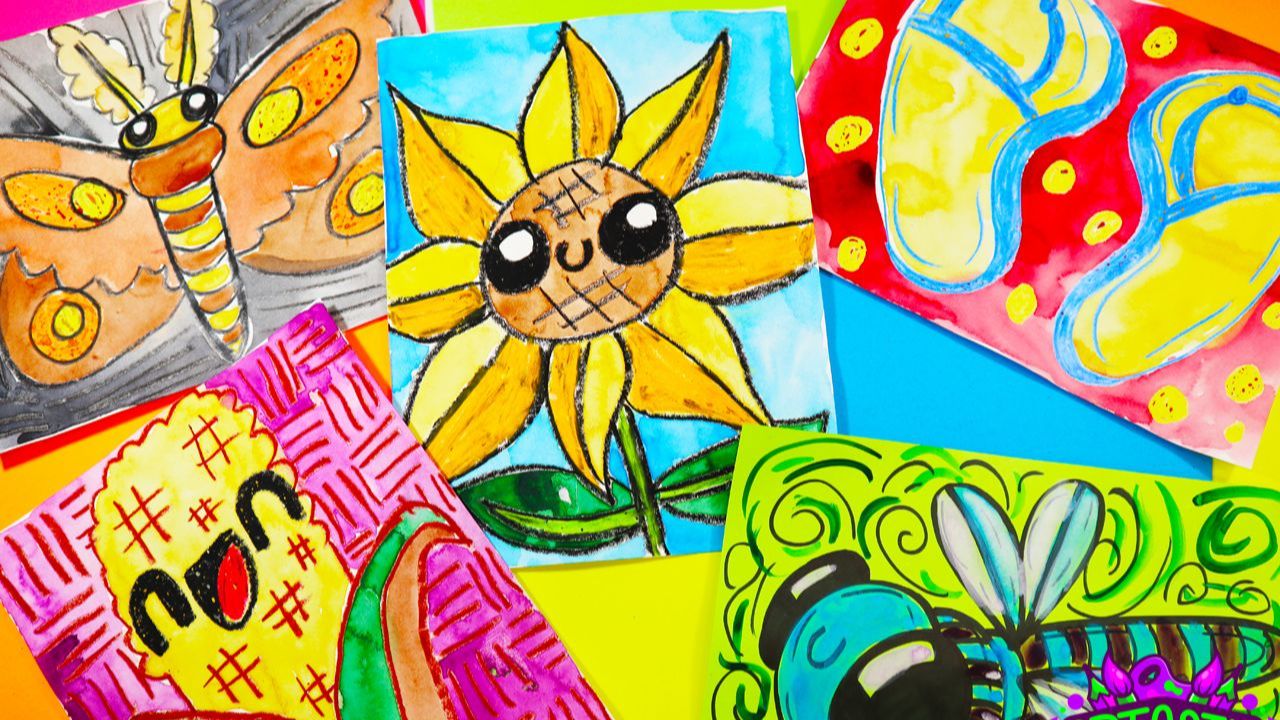
How to Make Art Feel Manageable at the End of a Busy School Year
The end of the school year has a very specific kind of energy. It is loud, emotional, exciting, exhausting, joyful, chaotic, and somehow covered in tiny scraps of paper. Students are ready for summer. Teachers are running on determination, iced coffee, and the deep hope that no one asks for “just one more project” that requires paint, glue, glitter, or anything that needs to dry overnight.
For art teachers, classroom teachers, and homeschool educators, this season can feel especially full. There are projects to finish, artwork to send home, supplies to organize, displays to take down, portfolios to sort, grades to finalize, classrooms to clean, and students who are somehow both wildly energetic and completely done at the same time. It is a lot.
And in the middle of all of that, you may still want to offer meaningful art lessons that help students create, reflect, and enjoy the final days of the year. But you also need those lessons to feel manageable. Not giant-unit manageable. Not “let’s begin a six-week papier-mâché creature project in June” manageable. More like simple, flexible, low-stress, creative, and actually possible.
Because end-of-year art does not need to be complicated to be meaningful.
It just needs to give students a creative place to land.
Let Go of the Big, Complicated Projects
The end of the school year is usually not the time to launch your most ambitious art project. This is not because big projects are not valuable. They absolutely are. But at the end of a busy school year, teachers and students often need art activities that feel clear, contained, and doable.
This is the season for low-prep art lessons, simple art projects, drawing activities, reflection art, seasonal art projects, and creative lessons that can be completed without turning your classroom into a full-scale supply avalanche.
If a project requires five different stations, three drying days, specialty materials, and a clean-up routine worthy of a military operation, it might be a beautiful idea for another time. June is asking for something softer.
Choose projects that help students feel successful without requiring you to prep all night. Choose lessons that can be adapted if a class is shorter than expected. Choose activities that can be finished in one or two sessions. Choose art that lets students create, but does not require you to spend the last week of school sorting 400 wet paintings and wondering where your life took this turn.
Simple can be beautiful.
Focus on Creative Closure
One of the best ways to make art feel manageable at the end of the year is to focus on closure. Students do not always need a brand-new skill-heavy lesson in the final days. Sometimes they need a chance to reflect, celebrate, and look back at how much they have grown.
A simple end-of-year art reflection can be incredibly meaningful. Students can choose their favourite artwork from the year, write about what they learned, draw a memory from art class, or create a visual reflection of their creative growth. This gives them time to think about their experiences while still making something personal.
You might ask students to draw their favourite art material, create a “my year in art” page, design a cover for their art portfolio, or make a small artwork that represents one thing they are proud of. These kinds of activities are low-prep, but they still help students build self-awareness and ownership.
They also give you a window into what mattered to them.
Sometimes students remember the smallest things. The funny demonstration. The project where they finally felt confident. The day they used paint for the first time. The lesson where they made something that looked nothing like anyone else’s and loved it anyway.
That is the good stuff.
Use Drawing as Your Best End-of-Year Friend
When the year is busy, drawing is one of the easiest ways to keep art manageable. It is flexible, low-prep, and accessible for most classrooms, homeschool settings, and teaching spaces. Students can draw with pencil, marker, crayons, colored pencils, oil pastels, or whatever supplies you still have that are not lost, broken, dried out, or mysteriously sticky.
Drawing lessons are especially helpful at the end of the school year because they can be done with minimal setup and clean-up. You can use directed drawings, drawing prompts, sketchbook challenges, summer-themed drawing activities, or creative illustration pages. Students still practice important art skills like line, shape, detail, pattern, composition, and creative decision-making, but you do not need to manage paint trays or drying racks.
A simple drawing prompt can become a wonderful end-of-year activity. Students can draw their dream summer day, design a silly ice cream character, create a summer animal, invent a vacation vehicle, draw a memory from the school year, or illustrate what creativity means to them.
The best part is that drawing leaves room for personality. One student might draw a calm beach scene. Another might draw a taco riding a skateboard into the sunset. Both are valid. Both are art. Both mean your students are engaged and creating.
Keep Materials Simple
At the end of the year, your art supplies may be looking a little tired. The markers are fading. The glue bottles are wheezing. The paper bins are suspiciously uneven. The pencil crayons have become mostly tiny stubs with big dreams.
This is not the season to require perfect supplies.
To make art feel manageable, limit the materials. Choose lessons that use basic supplies like paper, pencil, eraser, black marker, crayons, colored pencils, or simple paint if you still have the capacity for it. The fewer materials you need, the easier it is to prep, teach, manage, and clean up.
Simple materials also make lessons more accessible for classroom teachers and homeschool families. Not everyone has a full art room. Not everyone has fancy supplies. And honestly, some of the best student artwork happens when the materials are simple and the idea is strong.
A great art lesson does not need to be complicated.
A meaningful creative experience can happen with paper, a pencil, and an interesting prompt.
Choose Lessons That Can Flex
End-of-year schedules are unpredictable. One class gets shortened because of an assembly. Another class is missing half the students because of a field trip. Another group arrives buzzing with summer energy and absolutely no interest in a long demonstration. This is normal. This is June. June is basically a scheduling jungle wearing sunscreen.
That is why flexible art lessons are your friend.
Choose activities that can work in different amounts of time. A drawing prompt can become a 20-minute sketch or a full class project. A reflection page can be done with words, pictures, or both. A seasonal art activity can be simplified for younger students or extended for older students. A portfolio cover can be basic or detailed depending on student time and ability.
Flexible lessons help you respond to the reality of your classroom instead of fighting against it.
They also reduce stress because you are not trying to force a huge project into a tiny time slot. You can adjust as needed and still give students a valuable creative experience.
Give Students Choice Without Creating Chaos
Student choice can be wonderful at the end of the year, but it needs structure. Completely open-ended “make whatever you want” art time can be magical for some students and completely overwhelming for others. It can also turn into a classroom management adventure if everyone suddenly needs different materials, different instructions, and very specific help drawing a dragon holding a smoothie.
Instead, offer controlled choices.
Students might choose between three drawing prompts. They might choose their colors, background, details, or theme. They might choose which favourite project to reflect on. They might choose whether to add writing, patterns, borders, or extra elements to their artwork.
This gives students ownership without turning the lesson into chaos.
Choice helps students feel invested, especially when they are tired at the end of the year. It also gives them a chance to express their interests and show their creative personality.
The trick is to keep the choices clear, simple, and manageable.
Try End-of-Year Art Reflection Activities
Reflection activities are perfect for this time of year because they help students think about their growth while keeping the lesson calm and purposeful. They also work beautifully for art teachers, classroom teachers, and homeschool educators because they can be adapted to different ages and settings.
Students can create a visual “year in art” page, design a badge for the skill they improved most, draw their favourite art memory, write an artist statement about a project they loved, or create a small artwork that shows how they grew as an artist.
You can also invite students to reflect on questions like: What was your favourite art project this year? What material did you enjoy using? What skill did you improve? What artwork are you most proud of? What do you want to try next year?
These questions help students see that art is a process. They also help them recognize their own effort and progress.
And for you, as the teacher, those reflections can be a beautiful reminder that your work mattered.
Use Seasonal Summer Art to Keep Things Light
Summer-themed art is a lovely way to wrap up the year because it feels cheerful, timely, and fun. Students are already thinking about summer, so you might as well use that energy for creativity.
Summer art projects can include drawings of ice cream, sunglasses, sunshine, camping, beach scenes, flowers, fruit, fish, ocean animals, popsicles, picnic foods, or imaginative summer adventures. These themes are easy for students to connect with, and they work well with simple materials.
A summer drawing activity can be especially useful because it feels playful but still supports skills like line, shape, detail, pattern, and composition. Students can create bright, joyful artwork that feels like a celebration of the season.
For homeschool families, summer art can also become part of a creative summer routine. A weekly drawing activity, seasonal art prompt, or simple project can help kids keep creating without making summer feel overly structured.
Summer art should feel like a breath of fresh air.
Not a giant production.
Make Art Feel Calm Instead of Another Thing to Finish
The end of the year already has enough tasks attached to it. Art does not need to become one more stressful thing to complete.
Instead of thinking, “What can I squeeze in?” try asking, “What would feel good for students right now?”
Maybe they need a calm drawing activity. Maybe they need time to finish older work. Maybe they need a creative reflection. Maybe they need a simple summer project that lets them enjoy making art without pressure.
The goal is not to impress everyone with one final masterpiece.
The goal is to give students a meaningful, manageable creative experience that helps them end the year feeling proud, calm, and connected to their creativity.
That is enough.
Support Yourself with Ready-to-Use Art Resources
One of the best ways to make art feel more manageable at the end of the school year is to have a few ready-to-use resources you can rely on. When you are tired and the schedule is full, having free art lessons, drawing prompts, seasonal art activities, and planning tools already available can make such a difference.
You should not have to reinvent every lesson from scratch during one of the busiest times of the year.
You should not have to spend your evening searching for ideas when you are already carrying the emotional and physical weight of the final weeks.
You deserve resources that support you.
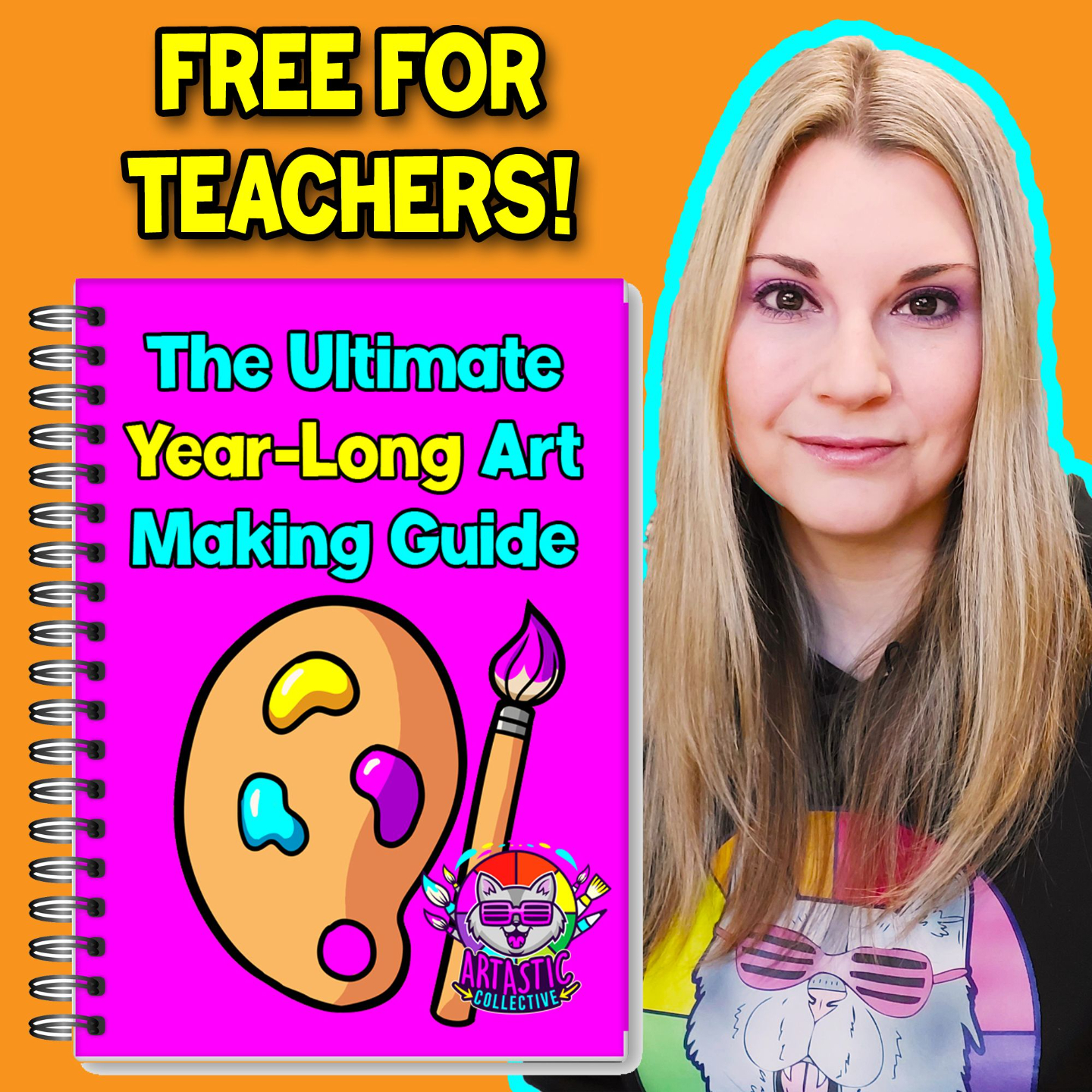
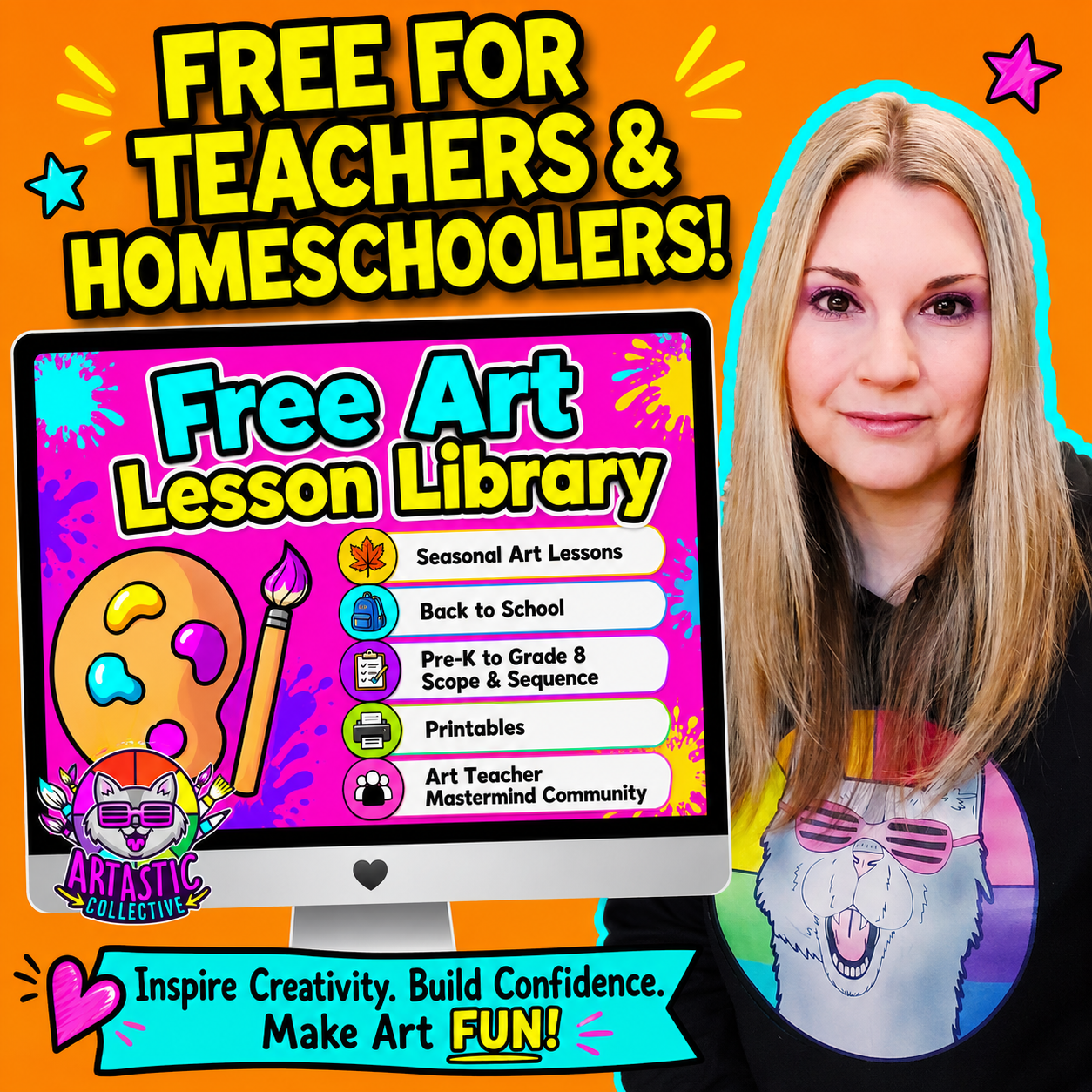
That is why I created the Free Art Lesson Library. It is a place where art teachers, classroom teachers, and homeschool families can find free art lessons, seasonal art projects, back to school art resources, and creative planning tools in one easy spot.
Whether you need a simple activity for the end of the year, an idea for summer, or a resource to tuck away for next year, the free library is there to help.
You can explore the Free Art Lesson Library here:
https://www.artasticcollective.com/artlessons
A Gentle Reminder for the End of the Year
If art feels hard to manage right now, it does not mean you are doing anything wrong. It means the end of the school year is full. It means you are balancing a lot. It means your students are tired, excited, wiggly, emotional, and ready for summer. It means you are human.
So simplify.
Use what you have.
Choose projects that feel doable.
Let drawing be enough.
Let reflection be meaningful.
Let simple materials do the job.
Let students create without needing everything to be perfect.
The end of the year does not need one more complicated thing. It needs creative moments that feel manageable, joyful, and kind to both students and teachers.
You have already done so much this year.
Let the final art lessons feel like a soft landing.
Sincerely,
Ms Artastic
Discover FREE Art Lessons & Resources
Let's Make Some Art! I will create the Art Lessons & Resources, you inspire the kids!
Stay connected with news and updates!
Join our mailing list to receive the latest news and updates from our team.
Don't worry, your information will not be shared.
We hate SPAM. We will never sell your information, for any reason.
Ms Artastic