A Complete K–9 Art Curriculum That Actually Supports Teachers (Not Overwhelms Them)
Jan 09, 2026
Looking for a complete K–9 art curriculum? Explore how the Artastic Collective supports art teachers, classroom teachers, and homeschool families with ready-to-use lessons and planning tools.
Introduction
Most educators don’t struggle with teaching art because they lack creativity. They struggle because they’re expected to plan, organize, and deliver meaningful art lessons on top of everything else they already do — often with limited time, limited resources, and very little support.
Over time, art can start to feel heavy. It becomes the subject you’re always thinking about, always catching up on, or quietly stressing over in the evenings and on weekends. And for many teachers and homeschool educators, that pressure doesn’t come from a lack of passion — it comes from a lack of structure.
The Artastic Collective Art Curriculum was created from lived experience in classrooms and homes where art mattered deeply, but planning time was scarce. It’s designed for educators who want art to feel intentional instead of improvised, connected instead of scattered, and supportive instead of overwhelming.
This post walks through what it actually looks like to teach art with a complete K–9 curriculum already in place — one that supports your planning, respects your time, and allows creativity to thrive without burnout. If you’ve been looking for a way to make art feel lighter, clearer, and more sustainable, you’re in the right place.
Why Teaching Art Often Feels Harder Than It Should
Most educators don’t struggle with teaching art because they lack creativity or passion. They struggle because art is often added to an already full plate, with very little guidance on how to plan it well. Over time, art becomes the subject that lives in the back of your mind — the one you’re always thinking about, catching up on, or quietly stressing over outside of school hours.
When there’s no clear structure, planning art can feel exhausting. Teachers end up searching for ideas late at night, trying to remember what they taught last year, or wondering if lessons actually connect in a meaningful way. Even educators who love art can begin to feel overwhelmed by the constant decision-making it requires.
The Artastic Collective Art Curriculum was built from inside that reality. It was designed for real classrooms and real homes, where time is limited and energy matters. Instead of asking educators to carry an entire art program in their head, the curriculum holds that structure for them. Lessons are already planned, organized, and sequenced, so teaching art feels lighter and more manageable.
When the planning burden is lifted, something important happens. Educators gain back mental space, confidence, and the ability to focus on what matters most — connecting with students and enjoying the creative process. That shift is what the Artastic Collective was created to support.

Why Themes Make Art Easier to Teach (and More Engaging to Learn)
One of the hardest parts of teaching art is keeping students engaged while still feeling like lessons have purpose and direction. Themes solve that problem in a way that feels natural for both teachers and students. When art lessons are built around clear, engaging themes, students feel connected to what they’re creating — and educators feel less pressure to constantly reinvent ideas.
The Artastic Collective Art Curriculum includes a wide variety of themes designed to meet students where they are while giving teachers flexibility. From high-interest topics like Dinosaurs, Outer Space, Ocean Life, and Fantasy, to calming, reflective themes like Watercolor Wonders and Our World, these units give educators a starting point that sparks curiosity and creativity without requiring hours of prep.
Many teachers find that themed units also make classroom management easier. When students are genuinely interested in the topic, engagement increases and behavior challenges often decrease. Themes such as Growth Mindset and Social Emotional Learning also create space for important conversations and reflection, helping students express ideas, emotions, and experiences through art.
Because the themes in the Artastic Collective are already built, organized, and ready to use, educators don’t have to search for inspiration or wonder what will resonate. They can choose a theme that fits their students, their season, or their schedule — and trust that the lessons inside will support both creativity and skill development. That sense of ease is what allows art to feel joyful again, instead of overwhelming.
Making the Elements and Principles Feel Understandable (Not Intimidating)
For many educators, the Elements of Art and Principles of Design can feel intimidating to teach — especially when time is limited or students are at very different skill levels. Without a clear structure, these concepts can turn into isolated lessons that feel disconnected from actual art-making. That’s where the Artastic Collective Art Curriculum offers real relief.
Rather than treating the Elements and Principles as a checklist to get through, the curriculum approaches them as tools students use again and again. Lessons are organized by age and developmental level, making it easier to know what’s appropriate to introduce, reinforce, or deepen at each stage. Younger students explore concepts like line, shape, and color through playful, accessible projects, while older students build confidence working with value, space, contrast, proportion, and unity in more complex ways.
Teachers often share that having these lessons already planned changes how they feel about teaching art. Instead of worrying about whether they’re “doing it right,” they can focus on guiding students, asking questions, and encouraging experimentation. Because each Element and Principle is paired with engaging art projects, students learn by doing — not memorizing.
When the structure is already in place, teaching foundational concepts becomes less stressful and more enjoyable. Educators gain clarity, students gain confidence, and art instruction feels purposeful instead of overwhelming. That shift is exactly what the Artastic Collective was created to support.
Helping Students Connect with Artists (Not Just Learn About Them)
Art history can be one of the most powerful parts of an art program — when it’s taught in a way that feels alive. Too often, though, it gets reduced to short readings or rushed slideshows because teachers don’t have the time or resources to build meaningful lessons around it. The Artastic Collective Art Curriculum was created to make teaching artists and art history feel accessible, engaging, and manageable.
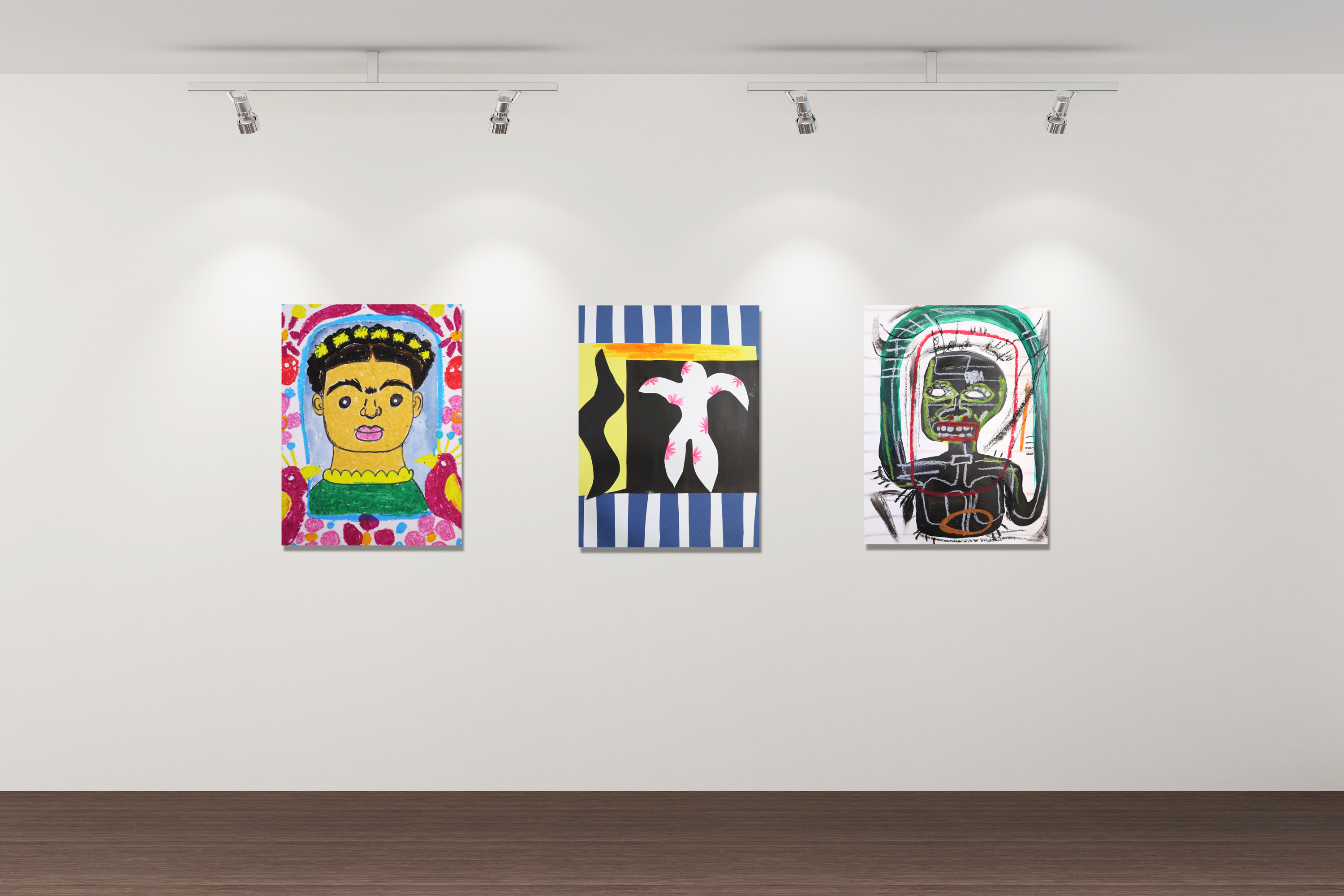
Inside the curriculum, educators have access to artist studies that are designed to spark curiosity and conversation. Students explore artists like Frida Kahlo, Vincent van Gogh, Georgia O’Keeffe, Pablo Picasso, Yayoi Kusama, Jean-Michel Basquiat, Alma Woodsey Thomas, Emily Carr, Ted Harrison, and many more through visuals, discussion, and hands-on creation. Movements such as Pop Art, Surrealism, Art Deco, and historical traditions like Ancient Egypt, Ancient Greece, Medieval art, and Historical Japanese Art help students see how art reflects culture, identity, and time.
Teachers often notice that when students create art inspired by real artists, engagement increases naturally. Lessons feel richer, discussions deepen, and students begin to see themselves as part of a larger creative story. Because the projects are already designed and connected to the artist studies, educators don’t have to spend hours planning how to translate history into hands-on learning — it’s already done.
By integrating art history directly into the making process, the Artastic Collective helps students understand that art isn’t just something from the past or something “famous people” make. It’s a living, evolving form of expression — and one they are already part of.
What Changes When the Planning Is Already Done
For many educators, the most exhausting part of teaching art isn’t the teaching — it’s the planning. It’s the constant decision-making, the late-night searching, and the feeling that art is never quite “finished” in your mind. The Artastic Collective Art Curriculum was created to change that experience in a very real way.
When you have access to a complete curriculum library, something shifts. Instead of wondering what to teach next, you can simply look ahead and choose what fits your students, your schedule, and your energy. Everything already exists in one place — themes, artist studies, Elements and Principles, and flexible lessons — so planning becomes about selection rather than creation.
Teachers often describe a sense of relief when they realize they can build an A & B year rotation using the Artastic Collective Art Curriculum. This means no more awkward moments of “we did this last year,” and no more pressure to constantly reinvent projects. Students experience variety, growth, and progression, while teachers gain back time and mental space.
When planning no longer consumes evenings and weekends, educators can focus on what matters most — guiding students, enjoying the creative process, and showing up with more energy during the school day. That shift doesn’t come from working harder. It comes from having the right support already in place, which is exactly what the Artastic Collective Art Curriculum is designed to provide.
A Curriculum That Meets You Where You Are
The Artastic Collective Art Curriculum wasn’t built for one “perfect” teaching scenario — it was built for real educators with real schedules, real constraints, and real students. Whether art is your primary subject or one part of a full day of teaching, this curriculum is designed to support you, not overwhelm you.
If you’re an art teacher, the Artastic Collective gives you a sense of stability and clarity. Instead of constantly creating or sourcing new lessons, you have a complete curriculum you can rely on year after year. You can see how everything fits together, build rotations that prevent repetition, and walk into class knowing your program is intentional and well-planned.
If you’re a classroom teacher, the Artastic Collective Art Curriculum helps remove the stress of teaching a subject you may not have been trained in. Lessons are already planned, materials are clear, and concepts are thoughtfully introduced, so art feels accessible rather than intimidating. Many teachers find that having this support allows them to enjoy art time alongside their students instead of worrying about whether they’re “doing it right.”
If you’re a homeschool parent, the curriculum offers structure without rigidity. You can follow lessons closely or adapt them to suit your child’s interests and pace, all while knowing you’re covering essential skills, artists, and concepts. With everything organized in one place, teaching art becomes something you look forward to rather than something you postpone.
No matter your setting, the Artastic Collective is for educators who want art to feel supported, intentional, and sustainable — and who want to spend more time creating with students and less time planning alone. You can explore the full curriculum anytime at https://www.artasticcollective.com/.

Teaching Art Without Feeling Alone
Teaching can feel isolating, especially when you’re responsible for planning and delivering art with limited time and support. Many educators are the only ones in their building — or their home — making decisions about art instruction. The Artastic Collective Art Curriculum was created with that reality in mind.
Inside the membership, educators gain access to a supportive community of people who understand the challenges of teaching art. Members share ideas, ask questions, celebrate wins, and offer reassurance during difficult moments. There’s something powerful about knowing that others are using the same curriculum, facing similar challenges, and finding ways to make it work in real classrooms and homes.
Beyond the community space, the Artastic Collective also provides structured guidance through the Art Teacher Growth Course. This course helps educators strengthen their planning, reflect on their practice, and feel more confident in their instructional choices. For many teachers, this combination of practical resources and human support is what finally makes art teaching feel sustainable.
When educators feel supported, everything changes. Planning feels lighter. Confidence grows. Teaching becomes more enjoyable. That sense of shared experience and ongoing support is a core part of what the Artastic Collective Art Curriculum offers — and why so many educators choose to stay year after year.
When Teaching Art Feels Supported, Everything Shifts
Art doesn’t have to feel like the hardest part of your teaching day. With the right structure and support in place, it can become one of the most rewarding. The Artastic Collective Art Curriculum was created to help educators experience that shift — from feeling overwhelmed and alone to feeling prepared, confident, and supported.
This curriculum isn’t about doing more. It’s about carrying less. When lessons are already planned, organized, and thoughtfully connected, educators gain back time, mental space, and energy. That space allows creativity to flourish — not just for students, but for teachers too.
If you’re craving clarity, ease, and a sense that you don’t have to figure everything out on your own, the Artastic Collective may be worth exploring. You can learn more, browse what’s included, and see how it could support your art teaching at https://www.artasticcollective.com/.
Whatever you decide, know this: caring enough to look for better support already makes you the kind of educator this curriculum was created for.
Discover FREE Art Lessons & Resources
Let's Make Some Art! I will create the Art Lessons & Resources, you inspire the kids!
Stay connected with news and updates!
Join our mailing list to receive the latest news and updates from our team.
Don't worry, your information will not be shared.
We hate SPAM. We will never sell your information, for any reason.
Ms Artastic